

Eat Better



Discover 4 practical micro-habits that naturally restore sustained energy, steady metabolism, and evening calm without rigid rules or extreme lifestyle overhauls.
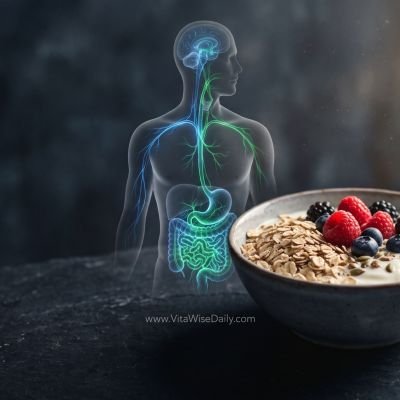
Your digestive system and brain exchange signals through nerves, hormones, immune pathways and microbial by-products. Here’s what the science says—and how to support gut health without chasing miracle fixes.
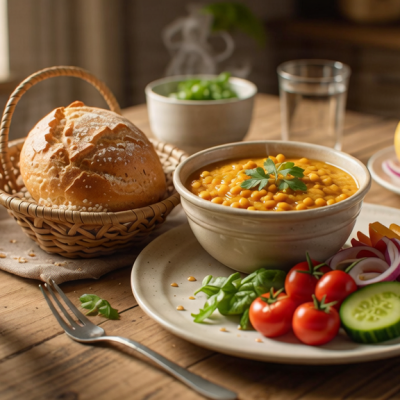
You may know what a balanced meal looks like, yet busy days, tired evenings and limited options can make it hard to follow through. Here are realistic ways to make eating well easier in everyday life.

Healthy habits are easier to repeat when your environment supports them. Discover practical ways to make nourishing choices more visible, convenient and realistic.
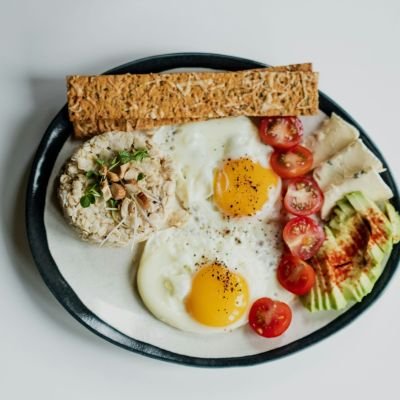
A satisfying breakfast does not have to be expensive or complicated. Try seven flexible protein-rich ideas, including options inspired by South Asian kitchens, and learn how to balance protein with fibre.
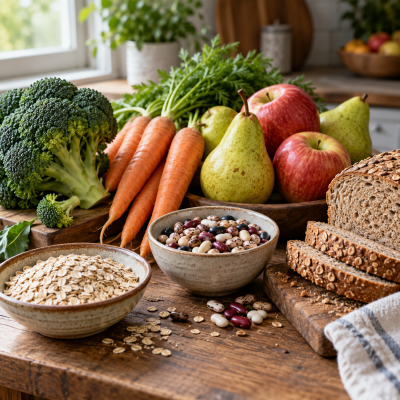
Fiber is found in plant foods such as beans, lentils, oats, fruit, vegetables, nuts, seeds, and whole grains. If these foods are not a regular part of your meals, adding a lot at once may feel uncomfortable. A gradual ap

Blood glucose naturally rises after meals—but what affects the size of that rise? Learn how carbohydrates, fibre, protein, movement and meal patterns influence your response, without falling for glucose myths.
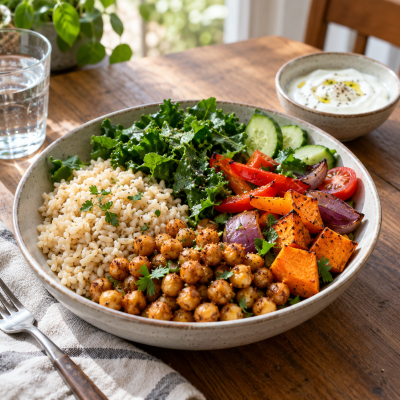
A balanced meal does not need expensive ingredients, strict rules, or a perfectly measured plate. A useful starting point is to include vegetables or fruit, a filling grain or starchy food, and a protein food you enjoy.