 VitaWise Daily
Eat Better
Your Gut and Brain Are in Constant Conversation: Understanding the Gut–Brain Axis
Your digestive system and brain exchange signals through nerves, hormones, immune pathways and microbial by-products. Here's what the science says—and how to support gut health without chasing miracle fixes.
By VitaWise Daily · October 31, 2026 · 4 min read
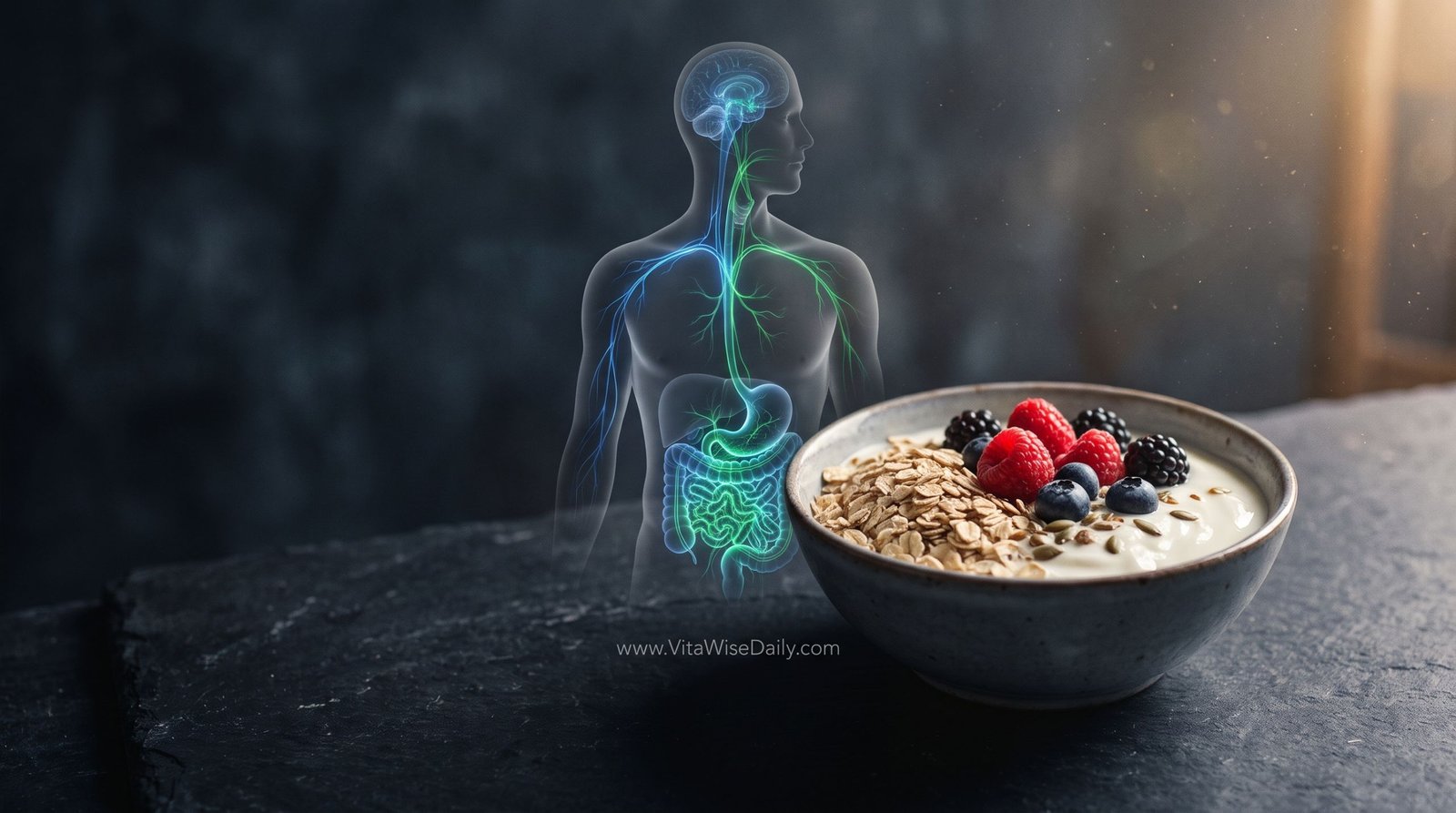
Have you ever noticed that stress can upset your stomach—or that a difficult bout of digestive discomfort can affect your mood? That connection is not just in your head. Your brain and digestive system are in constant two-way communication. Scientists call this network the gut-brain axis. It involves nerves, hormones, immune signals and substances made by the microbes living in your gut. It is fascinating, and also more complicated than the claim that all health starts in the gut.

1. The conversation travels along several routes
The gut has its own nervous system, often called the enteric nervous system. It helps coordinate digestion and communicates with the brain through several pathways. One important route is the vagus nerve, which carries signals between the brain and internal organs.
Communication also happens through hormones and immune messengers. Signals from the gut can influence appetite, nausea, discomfort and aspects of stress response. The brain can send signals back that change gut movement and sensitivity—one reason stress may affect digestion.
This is a conversation, not a one-way command. It helps explain why gut symptoms and emotional stress can overlap, but it does not mean every digestive problem is caused by anxiety or that treating the gut will cure a mental health condition.
2. Gut microbes make useful molecules—not magic
Your large intestine is home to a diverse community of bacteria and other microorganisms. What you eat helps shape this ecosystem. When microbes ferment certain fibres, they produce compounds such as short-chain fatty acids. Researchers are studying how these and other microbial products interact with the gut lining, immune system and metabolism.
That research is promising, but the science is still evolving. A microbiome test sold online cannot yet provide a simple verdict on your overall health or tell everyone exactly which foods or probiotic to take. Microbial communities vary from person to person, and results need careful interpretation.
Think of the microbiome as one part of a larger system—not a secret control room that explains every symptom.
3. Feed variety, not a social-media trend
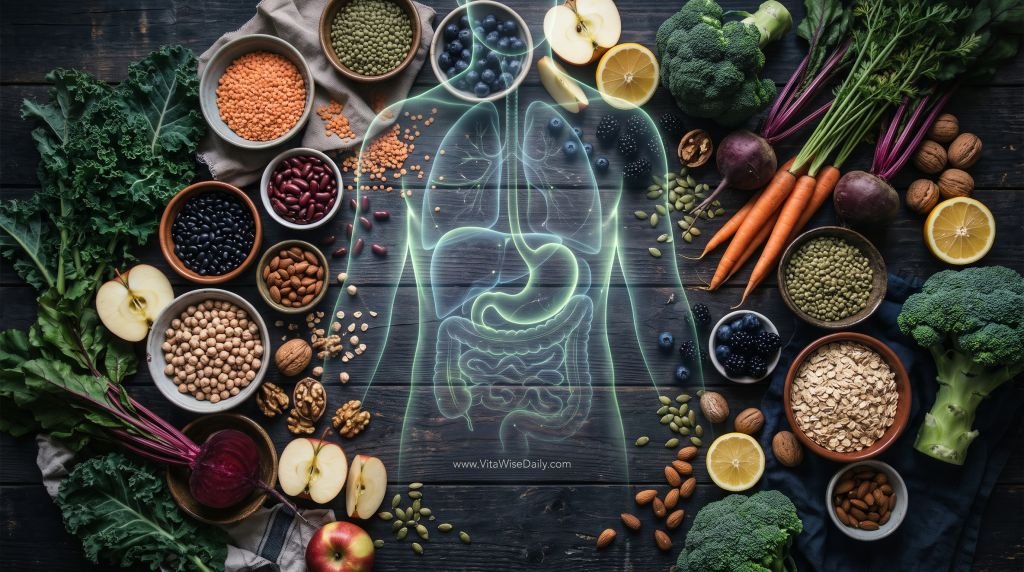
One of the most practical ways to support a healthy gut ecosystem is to eat a range of fibre-containing plant foods. Beans, lentils, oats, vegetables, fruit, nuts, seeds and whole grains provide different fibres and nutrients. Variety matters more than finding one supposedly perfect superfood.
If your current diet is low in fibre, increase it gradually. A sudden jump can cause gas or bloating, especially for people with sensitive digestion. Drink enough fluid, and notice which foods suit you. Fermented foods such as yoghurt, kefir or some fermented vegetables may fit into a balanced diet if you tolerate them, but they are not compulsory.
- Add beans or lentils to a meal a few times a week.
- Choose oats or whole grains more often.
- Include different colours of vegetables and fruit.
- Take regular walks and keep a reasonably consistent sleep schedule.

4. Where the evidence stops—and when to seek help
Probiotics are not interchangeable. Different strains have been studied for different conditions, and a product that helps one person may do nothing for another. More supplements do not automatically mean a healthier gut.
Persistent diarrhoea, constipation, blood in the stool, unexplained weight loss, severe abdominal pain or symptoms that wake you at night deserve medical attention. Do not assume these are simply signs of a damaged microbiome. Conditions such as coeliac disease, inflammatory bowel disease, infections and medication effects may need specific evaluation.
Likewise, depression, anxiety and other mental health conditions deserve proper care. Gut health can be part of the wider picture, but it is not a replacement for evidence-based mental health support.
A grounded gut-health starter plan
| Do more often | Keep expectations realistic |
|---|---|
| Eat varied plant foods | No single food can transform the microbiome overnight. |
| Increase fibre gradually | More fibre is not always better all at once. |
| Move and sleep regularly | Gut symptoms can have causes that need medical assessment. |
| Choose fermented foods if tolerated | Probiotics are strain- and condition-specific. |
Small habits beat microbiome hype
Build a varied diet, pay attention to how your body responds and get persistent symptoms checked. For a simple way to put sustainable habits into practice, visit the VitaWise Daily 7-Day Healthy Habits Reset.
Health note: This article is for general education and is not a diagnosis or treatment plan. Seek professional advice for persistent or severe digestive or mental health symptoms.
Related reading: More Fiber, One Step at a Time · A Flexible Plate, Not a Perfect One · When Your Sleep Schedule Drifts