 VitaWise Daily
Eat Better
Healthy Eating Made Easier: Why It Can Feel Hard
You may know what a balanced meal looks like, yet busy days, tired evenings and limited options can make it hard to follow through. Here are realistic ways to make eating well easier in everyday life.
By VitaWise Daily · October 14, 2026 · 4 min read

You probably already know the broad idea: eat a variety of foods, include fruit and vegetables, and choose nourishing options most of the time.
So why can eating well still feel like such hard work? Often, the challenge is not a lack of information. It is the gap between what we intend to eat and what is realistic on a busy day.
Time, energy, budget, food availability, health needs and family preferences all shape what ends up on the table.
A healthy way of eating does not need to be perfect. It needs to be practical enough to fit your life, culture, preferences and needs.

Why good intentions run into real life
Convenience matters. When you are hungry and short on time, the option that is ready now can win. That is not a character flaw; it is a clue about your environment.
Healthy can sound all-or-nothing. If it seems to require a strict meal plan, special ingredients or a complete kitchen reset, it is easy to put off. Start with one small addition or swap you can repeat.
Food choices depend on more than motivation. Cost, availability, work schedules, cooking facilities, health needs and family preferences all matter. Frozen or canned produce, dried lentils and beans, eggs, oats and other familiar staples can be useful. Choose what is affordable and accessible where you live.
General advice still has to work with the ingredients, time and energy available today.

Make the next nourishing choice easier
You do not have to change everything at once. Try one or two ideas and keep the ones that suit you.
Add before you subtract. Add fruit to breakfast, vegetables to a familiar dish, or beans or lentils to soup, curry or salad.
Keep a short list of reliable meals. Choose combinations you already like, such as eggs with toast and fruit; lentils with rice and vegetables; or yogurt with oats and fruit. Adapt them to your needs and food traditions.
Make convenience work for you. Frozen vegetables, canned beans, oats, eggs, yogurt, whole-grain bread or other affordable basics can reduce the steps between you and a meal. Plan for the day you actually have, and keep the plan flexible. A meal out or a convenience meal does not erase your habits; return to your usual routine at the next meal.
A flexible guide for your next meal
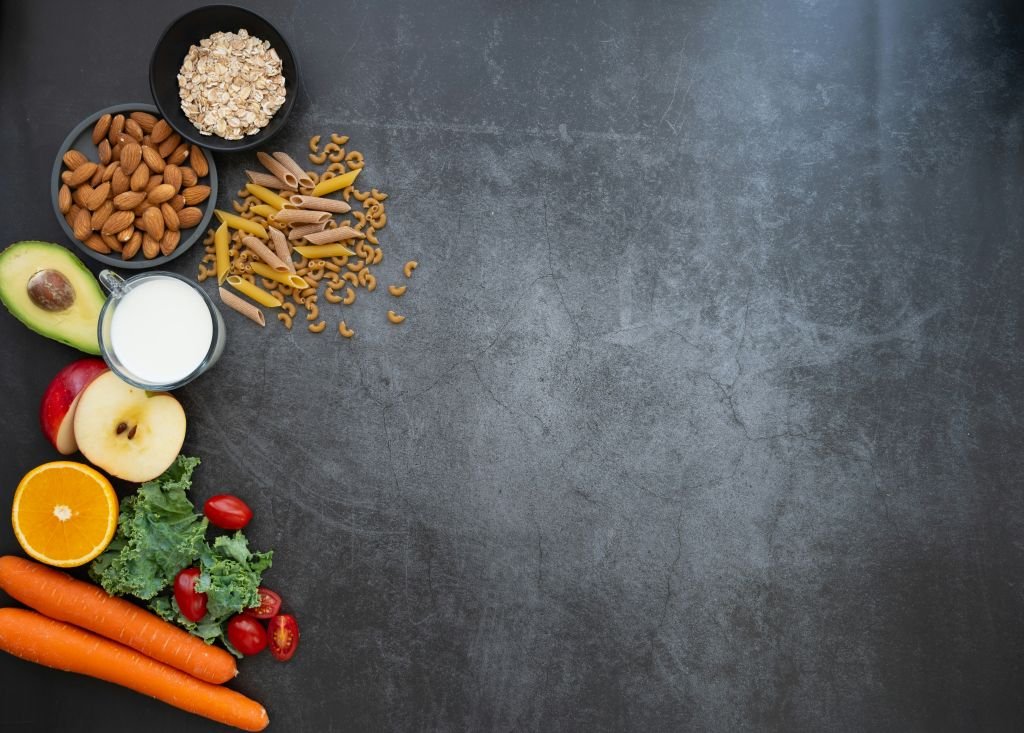
There is no single perfect plate for every person or culture. A useful general approach is to include variety across the day: vegetables or fruit, a source of protein, and a grain or other starchy food, alongside other foods that meet your needs and preferences. Beans, lentils, eggs, fish, dairy, tofu, meat, nuts and seeds are examples of protein foods; rice, oats, maize, potatoes, breads and other staples can all have a place.
The World Health Organization describes healthy diets through adequacy, balance, moderation and diversity, while noting that details vary with individual needs, local foods and dietary customs. This is broad guidance, not a personalized prescription.
A simple reset: Look at what you have; choose one nourishing addition; reduce one obstacle; and repeat what worked. Small choices cannot remove every barrier, but a realistic change is easier to make part of everyday life.
You do not need a perfect meal plan or a whole new lifestyle to begin. Make one nourishing choice easier. Your next meal just needs to be a place to start.
Small Choices. Better Life.
Health note: This is general education, not individualized medical or nutrition advice. If you have a medical condition, allergies, an eating disorder history or specific dietary requirements, consult an appropriately qualified health professional.
Sources: WHO: Healthy diet · CDC: Healthier meals and snacks · USDA MyPlate: Make a plan.


