 VitaWise Daily
Sleep & Recovery
Why You Wake Up Tired: 8 Factors That Can Affect Sleep Quality
Getting into bed is not always the same as getting restorative sleep. Explore eight common reasons you may wake tired and practical ways to build a more consistent sleep routine.
By VitaWise Daily · October 1, 2026 · 4 min read

You went to bed at a reasonable time, yet morning arrives and you still feel as though you barely rested. Waking tired once in a while is common. But if you often wake up tired, it may be worth looking beyond the number of hours you spent in bed.
Sleep quality, timing, interruptions, stress, health conditions and daily habits can all play a role. Most adults need at least seven hours of sleep each night, according to the US Centers for Disease Control and Prevention, although individual needs vary.

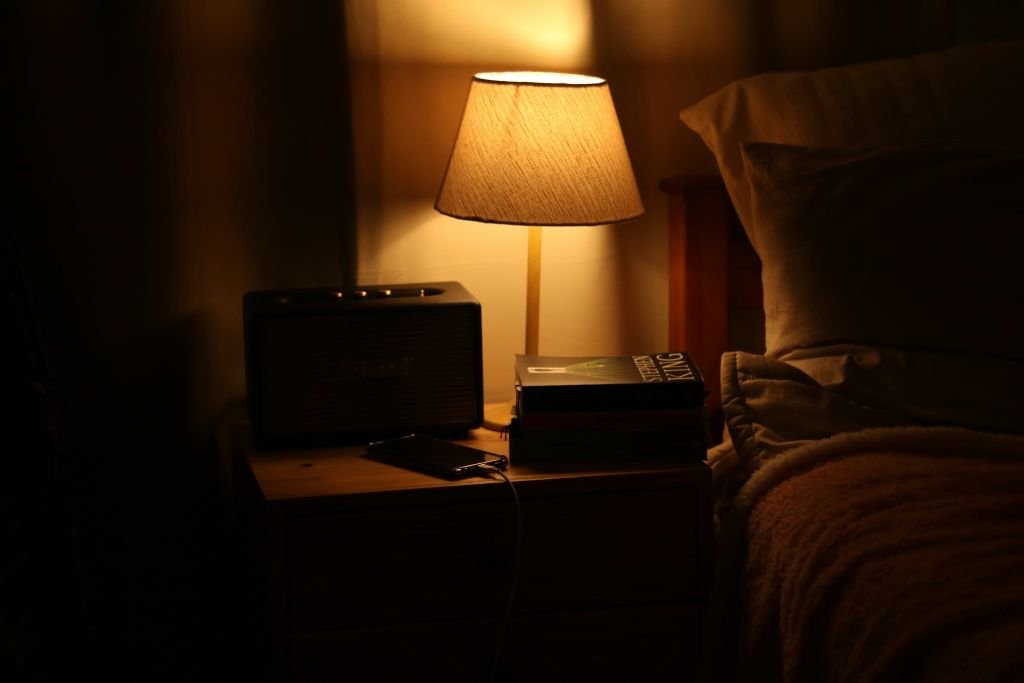
Eight reasons you may wake up tired
1. You are not getting enough sleep
Late nights, early alarms, work schedules and caregiving can shrink your sleep window. Try working backwards from the time you need to wake and protect enough time for sleep, allowing for your own needs rather than aiming for the minimum possible.
2. Your sleep schedule changes dramatically
Going to bed and waking at very different times across the week can make sleep feel less predictable. A consistent wake time is a useful starting point. Make changes gradually if your current schedule is far from where you want it to be.
3. Your sleep is frequently interrupted
Noise, light, temperature, pets, children or a partner’s schedule can fragment sleep. Make the room as dark, quiet and comfortable as practical. Earplugs, an eye mask or a small change to the bedroom setup may help if safe for your circumstances.
4. Caffeine is too late in the day for you
Caffeine sensitivity varies. Coffee, strong tea, energy drinks and some other products can make it harder to fall asleep or reduce sleep quality for some people. Experiment with an earlier cut-off rather than assuming the same timing works for everyone.
5. Alcohol is disrupting the night
Alcohol may make some people feel sleepy initially, but it can disturb sleep later in the night. If you drink, notice whether it affects your rest; avoiding alcohol close to bedtime may help. Alcohol is not a recommended sleep aid.
6. Your mind is still in work mode
Worry, deadlines and constant notifications can make it hard to wind down. Try a short transition ritual: dim the lights, prepare tomorrow’s essentials, read something relaxing, stretch gently or write down tasks to revisit in the morning.
7. Screens and bright light are keeping you alert
Phones are not automatically harmful, but stimulating content, notifications and bright light can push bedtime later. Create a boundary that feels realistic: charge your phone away from the bed, silence alerts or replace the final scroll with a calmer activity.
8. A health issue may be affecting sleep
Persistent tiredness can be associated with sleep apnoea, insomnia, restless legs, pain, mood conditions, medication effects and other health concerns. Loud snoring, gasping during sleep, morning headaches or severe daytime sleepiness deserve medical attention. Do not assume poor sleep hygiene explains everything.
A simple seven-night reset
- Choose a reasonably consistent wake-up time.
- Give yourself enough time in bed for your sleep needs.
- Get natural light earlier in the day when possible.
- Move your body regularly, choosing timing that suits you.
- Notice whether late caffeine, alcohol or heavy late meals affect your sleep.
- Make the bedroom darker, quieter and comfortably cool if possible.
- Use a short, repeatable wind-down routine instead of aiming for a perfect one.
Keep expectations realistic: one habit may not solve every sleep problem, and you do not need to change all seven things at once. Pick the most likely barrier and observe whether it helps.
When should you seek help?
If tiredness persists despite allowing enough time for sleep, affects daily functioning, or comes with snoring and gasping, unexplained mood changes or other concerning symptoms, speak with a healthcare professional. Drowsiness can affect driving and safety; do not drive when you cannot stay alert.
The takeaway: Better mornings often start with consistent, realistic evenings—but persistent fatigue deserves attention rather than blame.
Related reading: When Your Sleep Schedule Drifts · A More Restful Bedroom · the free 7-Day Healthy Habits Reset
Sources and further reading
Health note: General education only, not a diagnosis. If you have ongoing fatigue or symptoms of a sleep disorder, consult a qualified healthcare professional.