 VitaWise Daily
Sleep & Recovery
A More Restful Bedroom: Light, Noise, and Comfort That Matter
A sleep-supportive bedroom does not need a makeover. Small changes to light, noise, and comfort may make it easier to settle down, especially when the room is also used for work or family life. Start with the change that
By VitaWise Daily · August 20, 2026 · 2 min read

A sleep-supportive bedroom does not need a makeover. Small changes to light, noise, and comfort may make it easier to settle down, especially when the room is also used for work or family life. Start with the change that is realistic for your space and budget.

Notice light and sound
Bright light and noise can interrupt a calm transition to sleep. If outside light is a problem, consider curtains, a sleep mask, or moving the bed if practical. If sounds are unpredictable, try a fan or another steady background sound, or comfortable earplugs if they are safe for you.
People’s needs differ. Some sleep better with a night light or a door open; others prefer a darker room. Choose a setup that feels comfortable and safe, particularly if you need to get up during the night.

Make comfort easy to maintain
- Keep bedding comfortable for the temperature of the room.
- Reduce clutter near the bed so you can move safely.
- Keep needed items within reach, but avoid repeatedly checking the time.
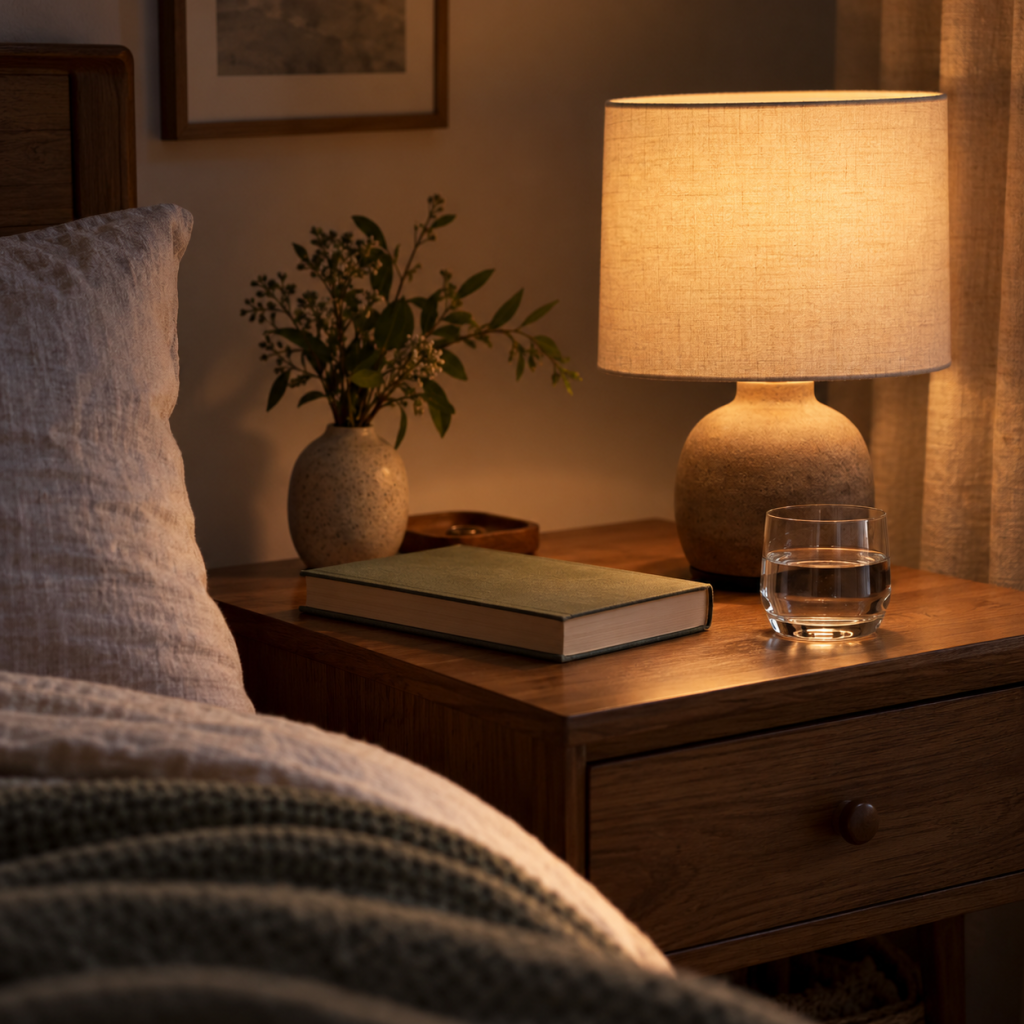
- Choose a simple wind-down cue, such as dimming lights or setting out tomorrow’s essentials.
The National Heart, Lung, and Blood Institute suggests keeping the bedroom quiet, cool, and dark as part of good sleep habits. This is a useful starting point, not a rule every household can follow exactly.
When a bedroom change is not enough
Ongoing difficulty sleeping can have many causes, including pain, medications, stress, breathing problems, or other health conditions. If sleep problems persist or affect daily functioning, talk with a healthcare professional. A comfortable room can support sleep, but it cannot diagnose or treat an underlying condition.
Evidence note: Read the NHLBI sleep habits guidance for additional general strategies.
General education only; not medical advice.