 VitaWise Daily
Eat Better
Glucose Spikes Explained: What Happens in Your Body After You Eat?
Blood glucose naturally rises after meals—but what affects the size of that rise? Learn how carbohydrates, fibre, protein, movement and meal patterns influence your response, without falling for glucose myths.
By VitaWise Daily · September 7, 2026 · 4 min read
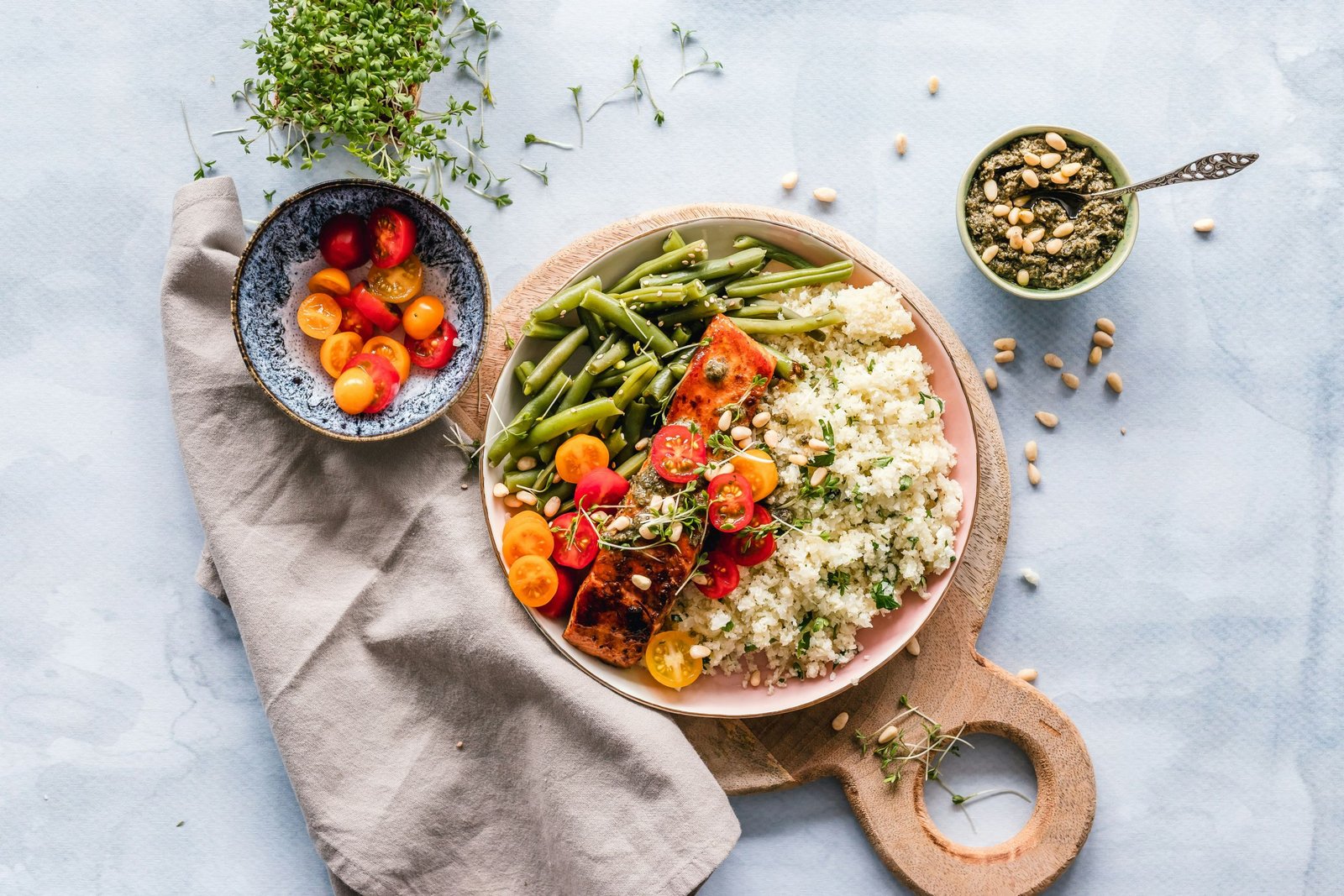
Blood sugar rises after you eat. That is normal. The more useful question is what affects the size and timing of a glucose spike—and which everyday habits are worth trying without turning every meal into a science experiment.
Online, “glucose spikes” can sound like something everyone must prevent. In reality, glucose is a vital fuel, and a rise after a meal is part of normal physiology. Responses differ with the meal, the person, activity, sleep, medication and health status. The goal is not to chase a perfectly flat glucose line; it is to build sustainable eating and movement habits that support overall health.
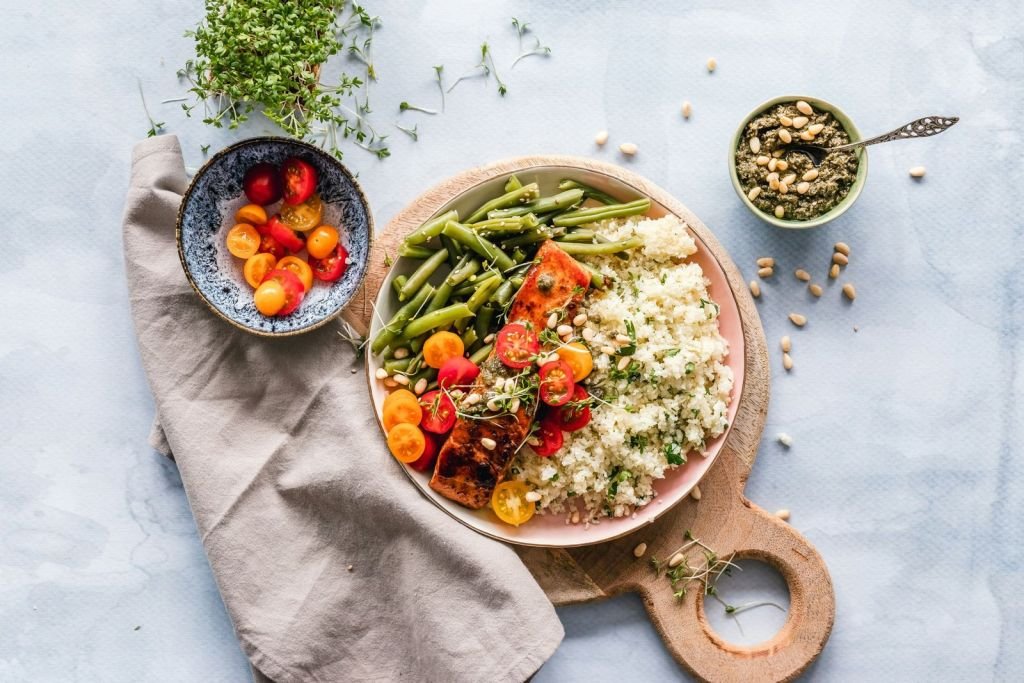
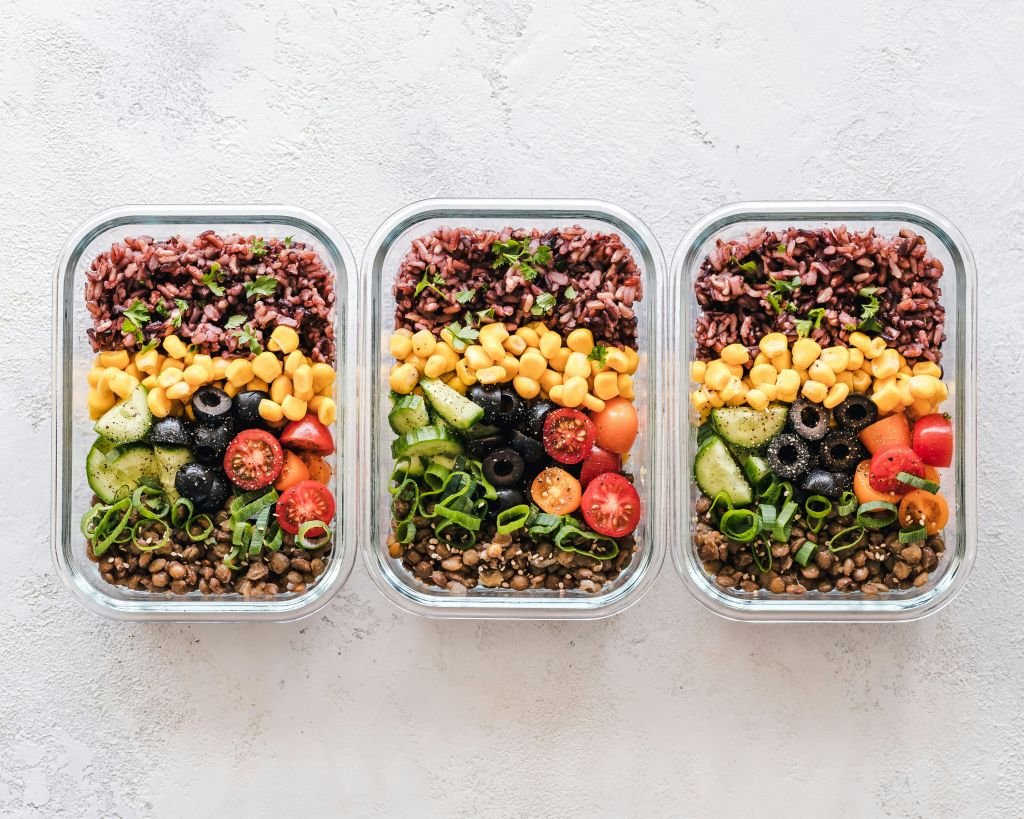
What is a post-meal glucose spike?
When you eat carbohydrate-containing foods, digestion breaks many of them into glucose, which enters the bloodstream. The pancreas releases insulin, helping glucose move into cells and supporting its storage or use. Blood glucose typically rises after eating and then falls as the body processes the meal.
How much it rises depends on several factors: the amount and type of carbohydrate, how refined the food is, the meal’s fibre and protein, portion size, activity, and individual metabolic health. One reading—or one meal—cannot diagnose a condition. Diabetes and prediabetes require appropriate clinical testing and professional interpretation.
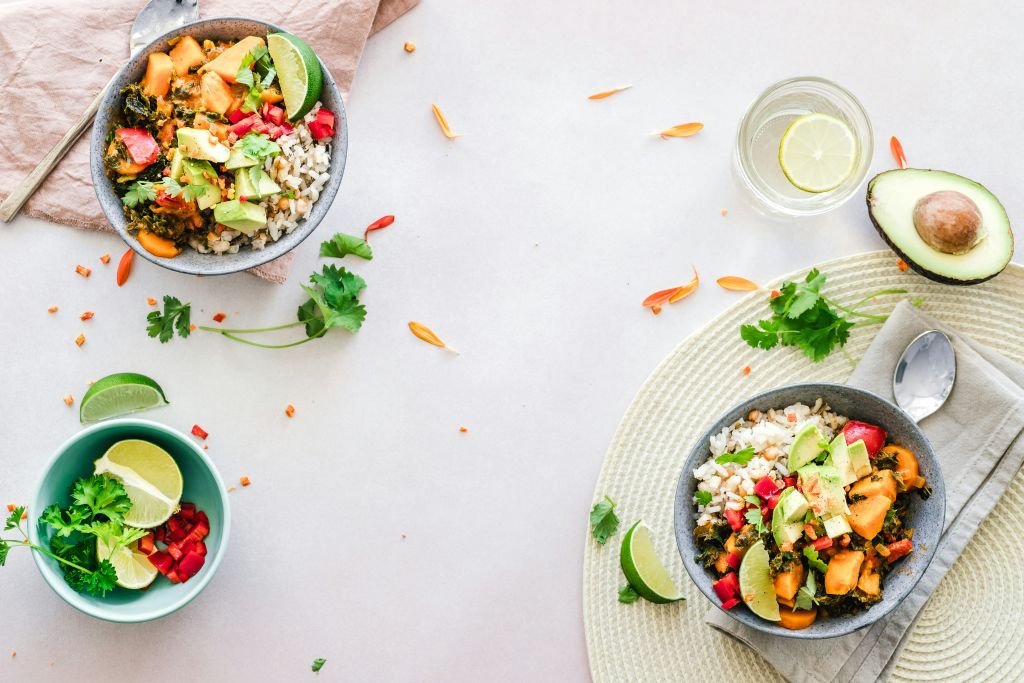
Five practical ways to build a more balanced meal
1. Add fibre-rich foods
Vegetables, beans, lentils, fruit and whole grains provide fibre and useful nutrients. Fibre-rich foods can help make meals more satisfying and may slow digestion. The World Health Organization recommends a varied diet built around vegetables, fruit, pulses and whole grains, with at least 25 grams of naturally occurring dietary fibre daily for people over age 10.
2. Pair carbohydrates with protein
Instead of eating a bowl of refined cereal on its own, consider oats with plain yogurt or nuts; or pair roti with daal, eggs, fish, chicken or beans and vegetables. A 2024 systematic review of controlled feeding trials examined how adding protein to carbohydrate-containing meals affects post-meal glucose and insulin responses. The effects vary by meal and health status, so this is a useful meal-building principle—not a promise that protein cancels carbohydrates.
3. Try vegetables first—if it suits you
Some small studies suggest that eating vegetables or protein before a carbohydrate-rich part of a meal can reduce the early post-meal glucose rise for some people. But evidence is not definitive, and a recent systematic review reported very low certainty for some outcomes. You do not need a strict eating order to have a healthy diet. If it feels natural, begin with salad or vegetables; otherwise, focus on the overall meal.
4. Move a little after eating
A gentle walk after a meal is an accessible way to add movement to your day. Start with five to ten comfortable minutes if that is realistic for you. You do not need to sprint, exercise intensely or hit a perfect time window. If you have balance issues, pain or a medical condition affecting activity, choose a safe option with guidance from your clinician.
5. Look at the pattern, not one food
Whole fruit, rice, bread and potatoes do not need to be labelled universally “good” or “bad.” Portion, preparation, what you eat with them, and your overall dietary pattern matter. WHO guidance emphasises adequacy, balance, moderation and variety—not a single food rule.
Do you need to eliminate carbohydrates?
Not necessarily. Carbohydrates include nutritious foods such as beans, lentils, fruit, vegetables, oats and whole grains. Extremely restrictive diets are not appropriate for everyone, and people taking insulin or certain diabetes medicines should seek clinical advice before making major carbohydrate changes because medication needs may change.
A simple experiment for this week
- Choose one meal you eat regularly.
- Add a vegetable or pulse you enjoy.
- Include a satisfying protein source.
- Take a short, comfortable walk afterwards if safe and practical.
- Notice energy, fullness and how manageable the routine feels—without obsessing over every fluctuation.
The takeaway: Healthy glucose management is not about fearing every rise. Build balanced meals, choose fibre-rich foods often, move regularly and seek appropriate testing if you are concerned about diabetes risk.
Related reading: More Fiber, One Step at a Time · A Flexible Plate, Not a Perfect One · Movement Snacks · the free 7-Day Healthy Habits Reset
Sources and further reading
- World Health Organization: Healthy diet
- The Journal of Nutrition (2024): Protein added to carbohydrate meals and post-meal glucose responses
- Clinical Nutrition (2026): Systematic review and meta-analysis of vegetables before carbohydrates
Health note: This article is for general education, not individual medical advice. If you have diabetes, take glucose-lowering medication, are pregnant, or have a medical condition affecting diet, discuss significant changes with a qualified healthcare professional.