 VitaWise Daily
Healthy Aging
Healthy Aging Starts Earlier Than You Think: 7 Habits That Support Long-Term Health
Healthy aging is about more than lifespan or looking younger. Seven realistic habits can help support strength, mobility, connection and wellbeing across the years.
By VitaWise Daily · October 17, 2026 · 4 min read
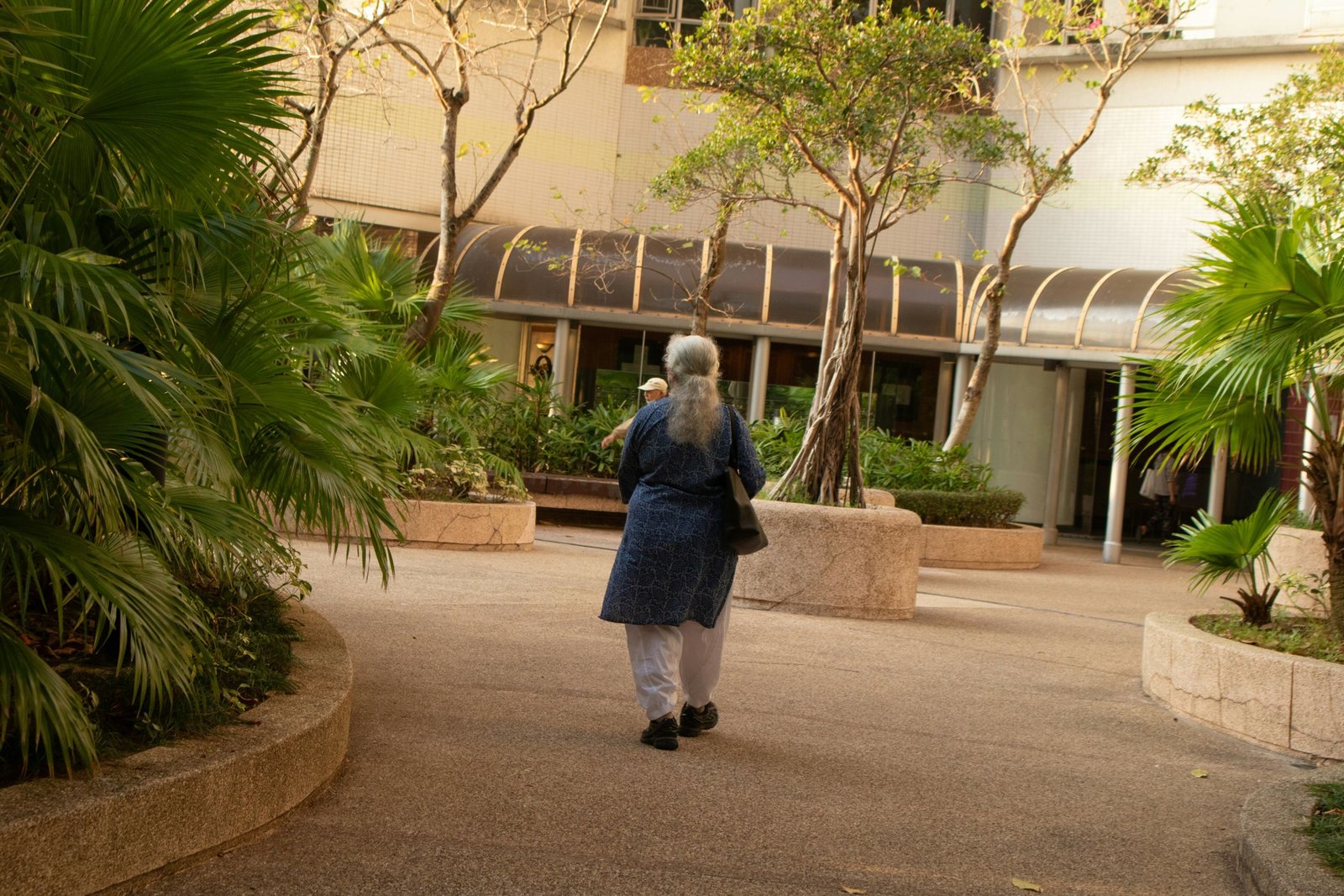
Healthy aging is often marketed as a battle against wrinkles or a search for the next longevity supplement. But a more useful question is this: as the years pass, what helps you keep doing the things that matter to you? These healthy aging habits are a practical place to start.
The World Health Organization describes healthy aging in terms of developing and maintaining the functional ability that enables wellbeing in older age. That includes more than being free of disease: it is also about being able to move around, make choices, maintain relationships and participate in daily life.
What healthy aging can realistically mean
No routine can guarantee a long life or prevent every illness. Genetics, environment, access to care and chance all matter. Still, a number of everyday habits support health across the life course.
Seven habits that support healthy aging
1. Move in ways you can keep doing
Walking, cycling, dancing, gardening and household tasks all count as movement. WHO guidance for adults generally recommends 150–300 minutes of moderate-intensity aerobic activity a week, or an equivalent combination, alongside muscle-strengthening activities on at least two days. Start from your current ability; a little activity is better than none, and medical conditions may require tailored advice.
2. Preserve strength, not just step counts
Muscle strength supports everyday tasks such as carrying shopping, climbing stairs and getting up from a chair. Strength training can use body weight, resistance bands, weights or suitable functional exercises. Start gently and focus on safe technique. If you have significant pain, balance problems or a chronic condition, ask a qualified professional how to adapt activity.
3. Eat a varied, balanced diet
Rather than searching for one “longevity food,” build a pattern that includes vegetables, fruit, pulses, whole grains, nuts and suitable protein sources. WHO guidance emphasises adequacy, balance, moderation and diversity. Food traditions differ, so healthy meals can look different around the world: daal and vegetables, beans and whole grains, fish with vegetables, or oats and yogurt can all fit into varied patterns.
4. Protect sleep
Sleep supports everyday functioning and wellbeing. Keep a regular sleep schedule where possible and seek help if persistent insomnia, snoring with gasping or daytime sleepiness is affecting life. Do not treat chronic tiredness as an inevitable part of getting older.
5. Keep social connection in your life
Relationships, community activities, shared meals and meaningful conversations can provide belonging and practical support. Connection does not have to mean a large social circle. A regular call, a walk with a friend or participation in a local group may be a manageable starting point.
6. Keep preventive care up to date
Screening recommendations depend on age, sex, family history, country and personal risk. Discuss appropriate blood pressure checks, vaccinations, cancer screening, dental care, vision and hearing concerns with your healthcare team. Do not rely on an online checklist to replace individual advice.
7. Be cautious with “anti-aging” promises
Supplements, restrictive diets and expensive tests are often marketed as shortcuts to a longer life. Evidence for a product improving a laboratory marker does not automatically show that it helps people live longer or healthier. Correcting a documented nutrient deficiency can matter, but more supplements are not always better, and some interact with medicines.
A realistic weekly starting point
- Schedule a few walks or other enjoyable movement sessions.
- Include a strength activity on two days if appropriate for you.
- Add a vegetable, fruit, pulse or whole grain to a meal you already eat.
- Set a consistent wind-down cue for bedtime.
- Arrange one meaningful social connection.
- Write down one preventive-care question for your next appointment.
These are not seven rules to perfect by Monday. Choose one or two, make them easy to repeat, and build from there. Sustainable routines are more useful than a dramatic plan that cannot survive real life.
The real goal of longevity
Longer life is only part of the picture. Strength, mobility, independence, relationships and quality of life matter too. Healthy aging is not about controlling every risk or blaming people for conditions they develop. It is about supporting the best possible wellbeing within each person’s circumstances.
The takeaway: You do not need a complicated anti-aging protocol. Regular movement, strength, varied food, sleep, connection and appropriate preventive care are sensible foundations to discuss and build on over time.
Related reading: Everyday Strength and Balance After 60 · Healthy Aging Includes Connection · Beginner Strength Training at Home · the free 7-Day Healthy Habits Reset
Sources and further reading
- WHO: Healthy ageing and functional ability
- WHO: Physical activity and healthy aging
- WHO: Healthy diet
Health note: This article is for general education and does not replace personal medical advice. Exercise, screening and nutrition choices should be adapted to individual health, needs and circumstances.