 VitaWise Daily
Real-Life Health Stories
A Doctor’s Extraordinary Journey: What Her Recovery Can Teach Us About Health
Dr. Dawn Mussallem’s documented journey through cancer treatment and a heart transplant offers inspiration—and a chance to separate meaningful lifestyle support from exaggerated health claims.
By VitaWise Daily · September 15, 2026 · 4 min read
A remarkable medical journey can inspire us—but the most useful lesson is often more nuanced than a viral headline suggests.
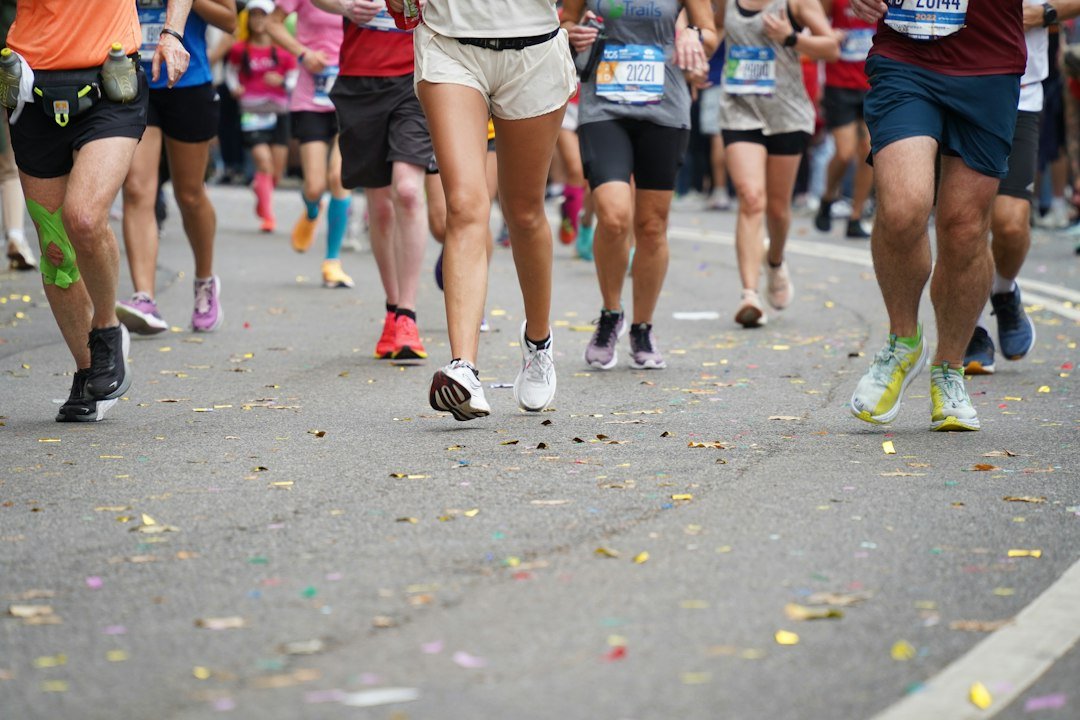
At 26, Dr. Dawn Mussallem was diagnosed with stage 4 non-Hodgkin lymphoma while training in medicine. Her story, later documented by Mayo Clinic, includes intensive cancer treatment, a bone marrow transplant and a long period of rebuilding her health. Years later, she also faced heart failure and received a heart transplant in 2021. In February 2022, she marked the transplant anniversary by completing a marathon.
A story worth telling accurately
It is an extraordinary story of medical care, rehabilitation, determination and support. It is also a story worth telling accurately.
What happened—and what we can verify
Mayo Clinic reports that chemotherapy, radiation and a bone marrow transplant helped Dr. Mussallem overcome lymphoma diagnosed in 2000. Her later heart failure was followed by a transplant in February 2021. Her return to endurance activity took place in the context of specialist care and rehabilitation.
That context matters. The story is not evidence that one food, supplement or personal protocol cured cancer. It is evidence of one person’s experience alongside substantial medical treatment and ongoing care.
Where lifestyle habits fit into the science
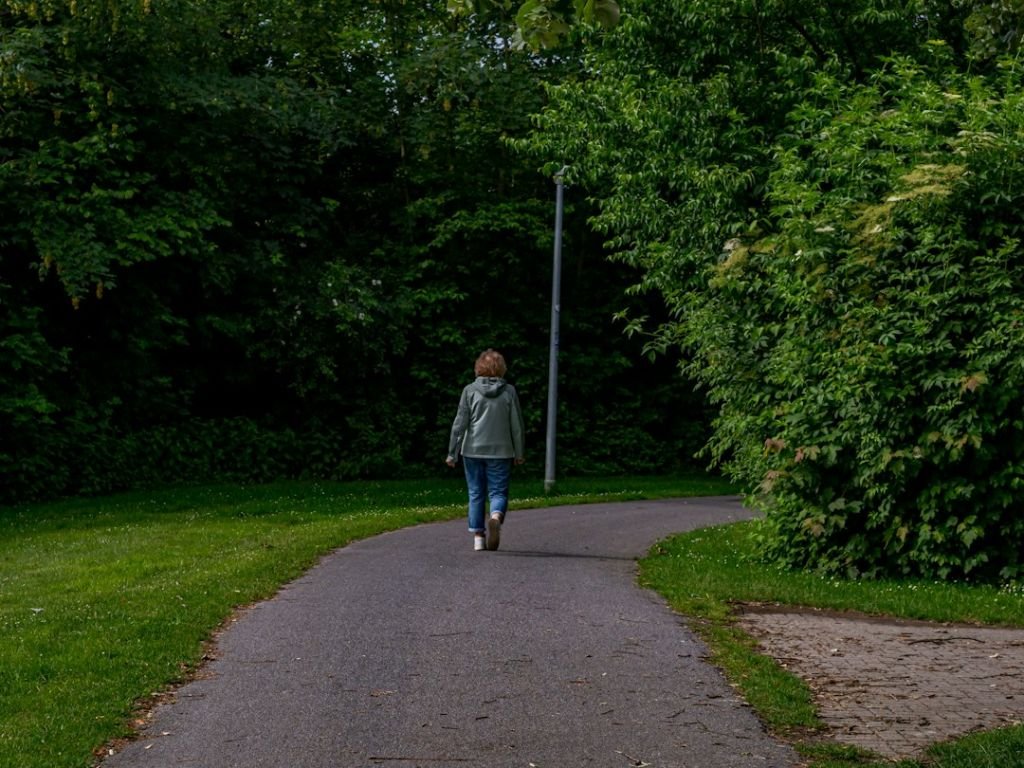
Nutrition, physical activity, sleep and emotional support can all matter to wellbeing during survivorship. For many people, these habits may support energy, physical function, cardiovascular health and quality of life. The right approach depends on the diagnosis, treatment, side effects and the person’s current health.
For people living with or recovering from cancer, movement should be adapted to individual needs and coordinated with the care team when appropriate. Treatment-related fatigue, infection risk, low blood counts, bone health, heart effects and other complications can change what is safe at a particular time.
Food can support health—but it is not a cancer cure
A varied eating pattern that includes vegetables, fruit, whole grains, legumes and suitable sources of protein can help meet nutritional needs. During cancer treatment, however, some people need a different approach to maintain weight, manage symptoms or meet higher nutritional demands. There is no single “anti-cancer” menu that works for everyone.
The US National Cancer Institute states that there is no proof that a particular food, diet, vitamin, mineral, supplement, herb or combination can slow cancer, cure it or prevent it from returning. Some supplements can also interfere with treatment. Anyone considering a restrictive diet or supplement during treatment should discuss it with their oncology team.
The lesson is not “willpower beats disease”
Personal agency can be valuable: asking questions, attending appointments, accepting support, following an agreed rehabilitation plan and choosing manageable habits where possible. But people do not cause their illness by lacking discipline, and recovery is not a test of character. Outcomes depend on many factors, including disease biology, access to care, treatment response and chance.
Dr. Mussallem’s journey can remind us that life after a serious diagnosis may contain goals and milestones a person could not imagine at the beginning. It should not be used to promise the same outcome to someone else.
Small steps that respect your own circumstances
- Ask your healthcare team what kind of movement is appropriate for you now.
- Choose nourishing foods that fit your appetite, culture, budget and treatment needs.
- Tell your clinician about supplements or restrictive diets before starting them.
- Make room for rest, connection and emotional support, not just measurable achievements.
The VitaWise takeaway
Let real-life stories inspire hope, and let evidence guide decisions. A powerful recovery story deserves to be shared with its full context: the person, the medical care, the support and the limits of what one experience can prove.
Small Choices. Better Life.
Health information disclaimer: This article is educational and does not provide medical advice. Cancer prevention and treatment decisions should be made with qualified healthcare professionals. Do not delay or replace prescribed treatment with diet, supplements or lifestyle practices.
Related reading: Healthy Aging Includes Connection · Everyday Strength and Balance After 60 · the free 7-Day Healthy Habits Reset