 VitaWise Daily
Eat Better
7 High-Protein Breakfasts That Help You Start the Day Satisfied
A satisfying breakfast does not have to be expensive or complicated. Try seven flexible protein-rich ideas, including options inspired by South Asian kitchens, and learn how to balance protein with fibre.
By VitaWise Daily · August 22, 2026 · 4 min read
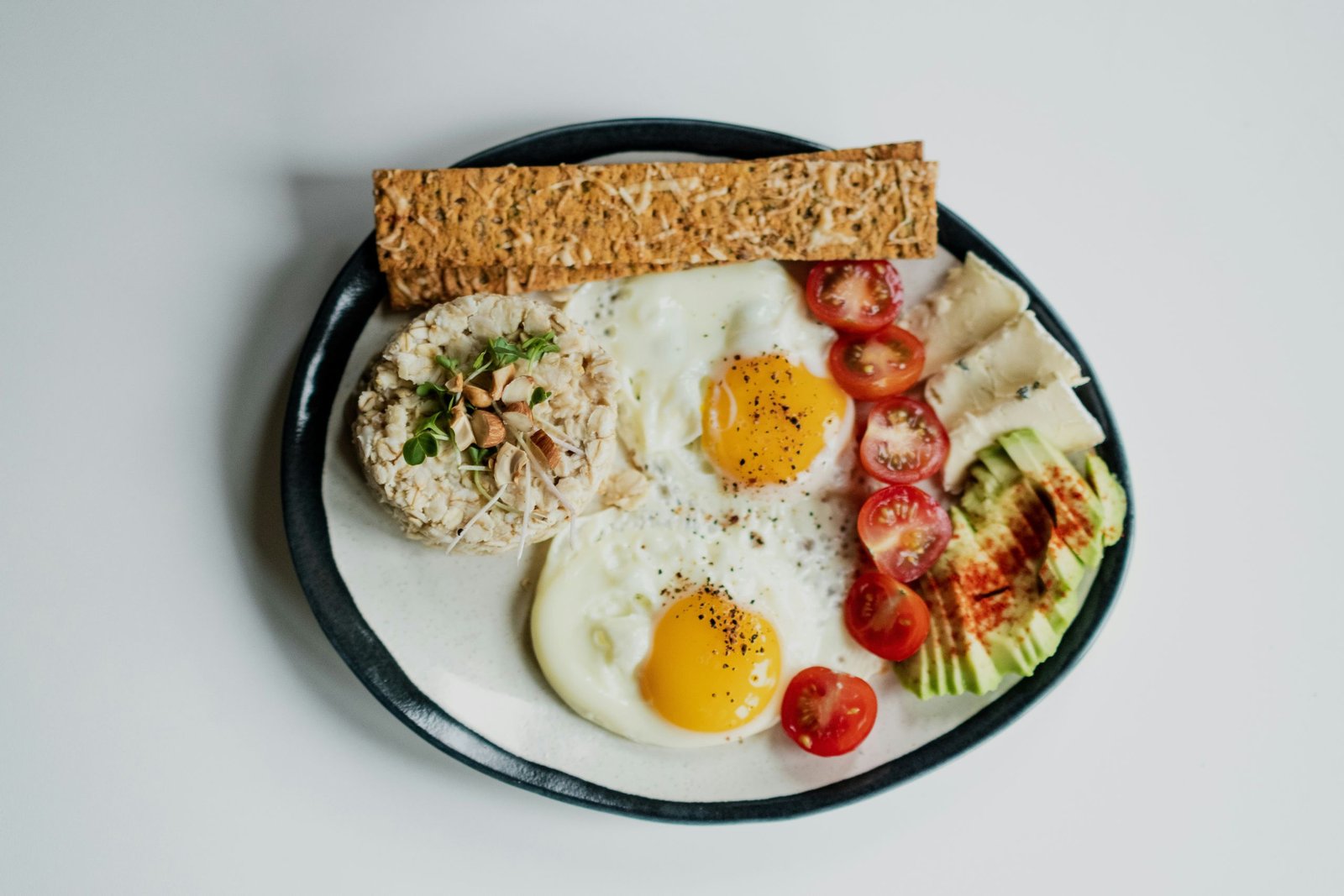
Ever eaten breakfast and felt hungry again before the morning is half over? The answer may not be a stricter diet or a trendy supplement. Sometimes the simplest upgrade is a high-protein breakfast: build it around foods that help you feel satisfied—protein, fibre and a source of energy you enjoy.
Protein is important for maintaining and repairing body tissues. It can also influence fullness, while fibre-rich foods contribute to a satisfying meal and support digestive health. No single breakfast guarantees hours without hunger, and individual needs differ—but a balanced plate is a practical place to start.

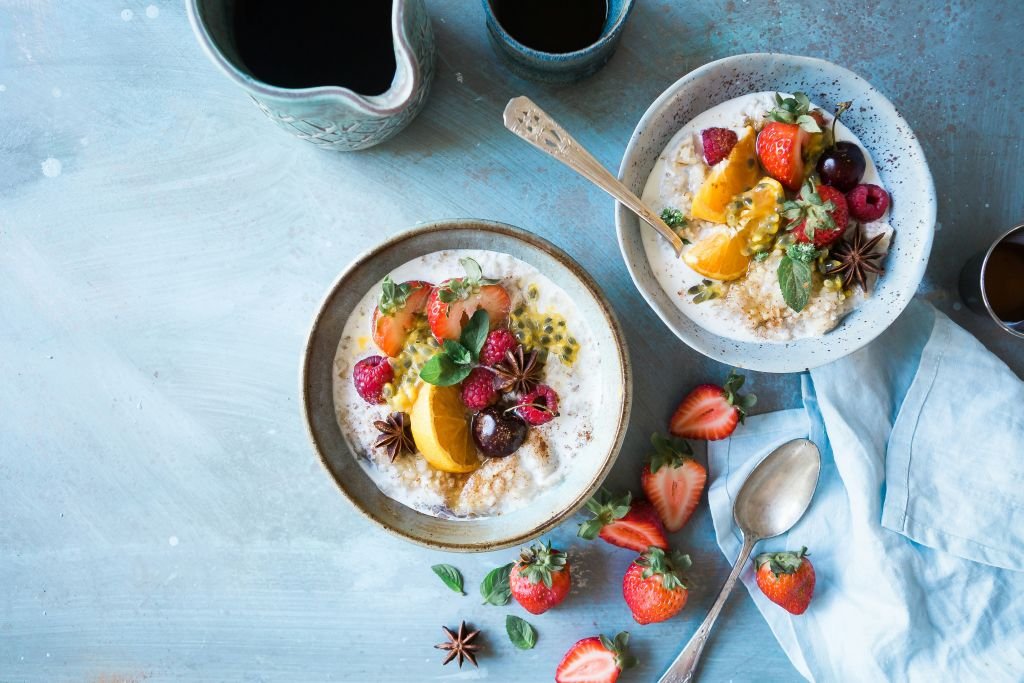
What makes a breakfast satisfying?
Think in combinations rather than “perfect” foods. Include a protein source, add fibre through fruit, vegetables, beans or whole grains, and choose a portion that fits your appetite and activity. The WHO recommends a varied diet that includes vegetables, fruit, pulses, whole grains and suitable protein sources. You do not need a branded protein product to put this into practice.
Seven easy high-protein breakfast ideas
1. Eggs, whole-grain toast and tomatoes
Eggs provide protein, while whole-grain toast adds carbohydrate and fibre. Add tomatoes, cucumber or leftover vegetables for colour and variety. Boiled eggs are convenient to prepare ahead; scrambled or omelette-style eggs work too.
2. Plain yogurt with oats, nuts and fruit
Choose plain yogurt and add oats, berries or another fruit, plus a small handful of nuts or seeds. Check labels on flavoured yogurts, granola and toppings because added sugar can vary widely. If dairy does not suit you, consider an unsweetened alternative with a useful protein content.
3. Daal with roti and vegetables
Breakfast does not have to look like a Western cereal bowl. Leftover daal with a modest portion of roti and vegetables can be a practical combination of plant protein, carbohydrate and fibre. Lentils are budget-friendly and fit naturally into many South Asian meals.
4. Chickpea chaat with plain yogurt
Combine boiled chickpeas with tomato, cucumber, onion, lemon and herbs. Add plain yogurt if you like. This is a flexible savoury option that brings together plant protein and fibre. Adjust salt and chutneys to your preference.
5. Oats made with milk or fortified soy drink
Cook oats with milk or an unsweetened fortified soy drink, then add cinnamon, nuts or seeds and a portion of fruit. Oats contribute fibre; the milk or soy drink can add protein. Instant flavoured sachets may contain added sugars, so compare labels.
6. Cottage cheese or paneer with vegetables
Pair cottage cheese or a moderate portion of paneer with tomatoes, spinach, peppers or other vegetables. Serve with whole-grain toast or roti if desired. Paneer can be richer in saturated fat and calories than some alternatives, so portions and the rest of the day’s diet still matter.
7. Leftover chicken, beans or tofu in a breakfast wrap
Use leftovers safely stored in the refrigerator, add vegetables and wrap in a whole-grain roti or tortilla. Tofu, beans, chicken or fish can all fit depending on your preferences and dietary pattern. A planned leftover can be quicker than preparing a special “breakfast food.”
Do you need a specific number of grams of protein?
There is no single target that fits everyone. Protein needs vary with body size, age, activity, pregnancy, illness and other factors. Older adults, athletes and people recovering from illness may have different needs. People with kidney disease or other relevant conditions should seek personalised advice rather than following high-protein trends automatically.
Three breakfast mistakes worth avoiding
- Relying on protein alone: Add fruit, vegetables or whole grains for fibre and variety.
- Assuming “healthy” means unlimited: Nuts, oils and cheese can be nutritious but energy-dense.
- Making breakfast too complicated: A repeatable meal you enjoy is often more useful than a recipe you abandon after two days.
Your five-minute breakfast plan
Pick two breakfasts from this list, keep the ingredients available, and alternate them during the week. Prepare boiled eggs, cooked chickpeas or overnight oats ahead when convenient. The aim is not a flawless menu; it is to make a nourishing choice easier on a busy morning.
The takeaway: A high-protein breakfast can be simple, culturally familiar and affordable. Combine a protein source with fibre-rich foods, and adjust portions to your appetite and needs.
Related reading: A Flexible Plate, Not a Perfect One · More Fiber, One Step at a Time · Weight Health Beyond the Scale · the free 7-Day Healthy Habits Reset
Sources and further reading
- World Health Organization: Healthy diet
- The Journal of Nutrition (2024): Protein and post-meal responses
Health note: General educational content only. Seek advice from a registered dietitian or qualified clinician for individual dietary needs, especially if you have kidney disease, diabetes, food allergies or other medical considerations.