 VitaWise Daily
Sleep & Recovery
Your Body's Night Shift: What Sleep Really Does for Your Brain, Immune System and Recovery
Sleep is active biology, not downtime. Explore how sleep stages support memory, immune regulation and recovery, then build a realistic routine that protects your nights.
By VitaWise Daily · October 31, 2026 · 4 min read

When you fall asleep, your body does not simply switch off. Your brain moves through a changing pattern of sleep stages while systems involved in memory, immune function, hormones and physical recovery continue their work. Understanding what sleep does helps explain why it is more than a luxury or a reward for finishing the day’s tasks. It is a basic biological need. And while no single night can undo every stressful week, regularly getting enough good-quality sleep supports the way you think, feel and function.
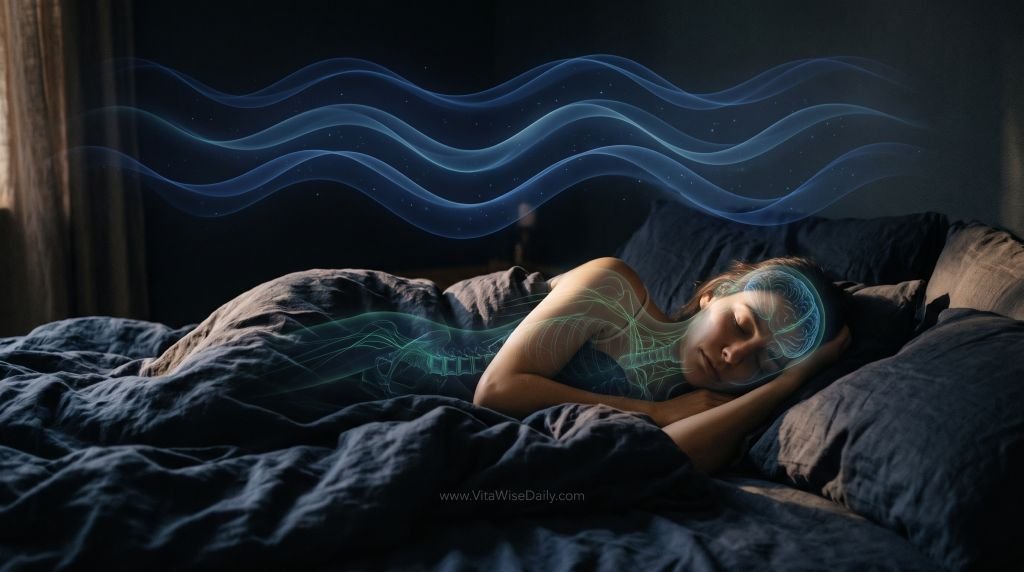
1. Sleep has stages, and each contributes something different
Sleep cycles through non-rapid eye movement (NREM) and rapid eye movement (REM) stages. NREM sleep includes lighter stages and deeper slow-wave sleep. REM sleep is associated with vivid dreaming and distinctive patterns of brain activity. The balance changes across the night; it is not one long, uniform state.
Deep sleep is particularly important for physical restoration and aspects of immune and hormonal regulation. REM sleep and NREM stages both contribute to learning and memory in different ways. The familiar idea that the brain files away every memory at one exact moment is too neat, but sleep clearly helps the brain process and strengthen information.
Sleep cycles vary from person to person and from night to night. Rather than chasing a perfect percentage on a wearable, pay attention to whether you wake feeling reasonably restored and can stay alert through the day.

2. Your brain and immune system are still busy
During sleep, the brain remains active. It processes experiences, supports learning and adjusts connections between nerve cells. Sleep also influences the signals that coordinate immune responses. Consistently inadequate sleep is associated with changes in immune function and can make it harder to feel and perform at your best.
This does not mean one late night will ruin your immune system. The bigger concern is a repeated pattern of too little or disrupted sleep. Shift work, caregiving, stress, pain, certain medications and sleep disorders can all make adequate rest difficult.
If you are sleeping for enough hours but still wake exhausted, consider the quality of that sleep. Loud snoring, gasping, witnessed pauses in breathing, morning headaches or significant daytime sleepiness can be signs of a sleep disorder such as obstructive sleep apnoea.

3. Recovery and metabolism are linked to sleep
Sleep interacts with hormones involved in appetite, stress and glucose regulation. It also supports normal processes involved in tissue maintenance and recovery after daily activity. This is one reason athletes, people recovering from illness and anyone managing a demanding schedule should treat sleep as part of the plan—not the first thing to sacrifice.
There is no magic detox hour when the body repairs everything. Different processes operate across the day and night. The practical message is simpler: a regular opportunity for sufficient sleep gives the body a better chance to carry out its normal maintenance work.
Adults generally need at least seven hours of sleep a night, although individual needs vary. If you regularly need much more or much less, or you remain tired despite enough time in bed, discuss it with a healthcare professional.
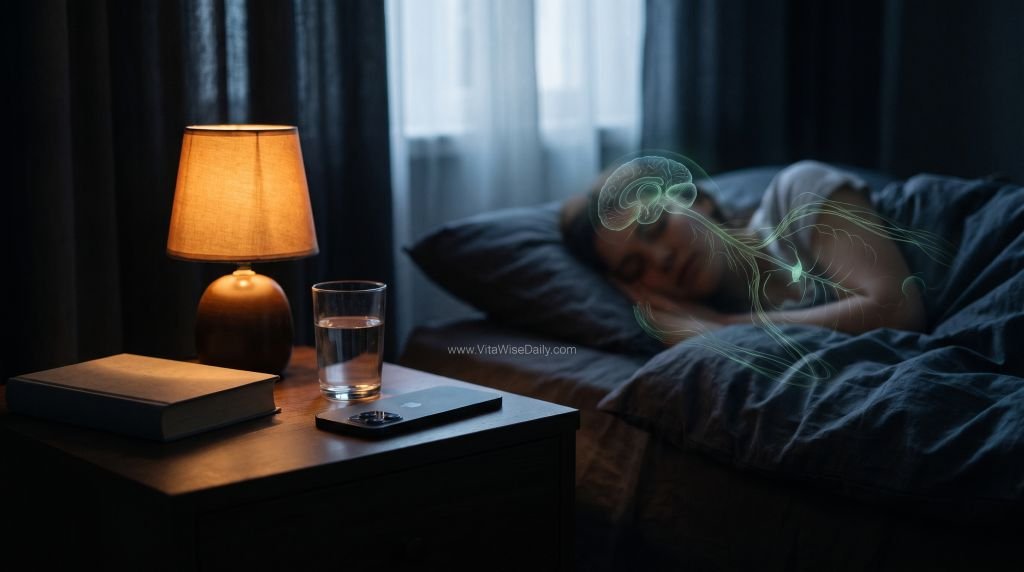
4. Build a routine that works on ordinary nights
A good sleep routine should be repeatable on a busy Tuesday, not just during a perfect holiday. Start with a fairly consistent wake-up time. Get natural light during the morning, move during the day and give yourself a wind-down period before bed.
- Keep the bedroom dark, quiet and comfortably cool.
- Reduce bright light and stimulating work close to bedtime.
- Limit caffeine later in the day if it affects your sleep.
- Keep late meals and alcohol from becoming regular sleep disruptors.
- If you cannot sleep, use a calm low-light activity rather than watching the clock in frustration.
Persistent insomnia, severe daytime sleepiness or symptoms of sleep apnoea deserve professional attention. You do not have to solve every sleep problem with a supplement or a new gadget.
Your night-shift checklist
| Daily cue | Why it helps |
|---|---|
| Consistent wake time | Supports a steadier body-clock rhythm. |
| Morning daylight | Helps anchor the circadian system. |
| Daytime movement | Supports general health and sleep pressure. |
| Calm, dim wind-down | Makes the transition to sleep easier. |
Give sleep a place in your day
You do not need an elaborate bedtime ritual. A regular wake time, daylight, movement and a calmer evening are strong places to start. For a practical structure that connects sleep with other everyday habits, explore the VitaWise Daily 7-Day Healthy Habits Reset.
Health note: This article is for general education and is not a substitute for diagnosis or treatment. Seek professional advice for persistent insomnia, severe daytime sleepiness or possible sleep apnoea.
Related reading: When Your Sleep Schedule Drifts · A More Restful Bedroom · the free 7-Day Healthy Habits Reset